SME Trade Council
Championing SMEs globally
11 Regions - 20 Sectors
SME Trade Council: Serving SME communities
SME Trade: SME Trade magazine
SME Platform: Global networking platform
SMEs at crossroads
Small and Medium-Sized Enterprises (SMEs) are the beating heart of national economies and the connective tissue of entire value chains. In every region of the world, from dense cities to remote rural communities, SMEs fuel the engines of growth, job creation, innovation, and social cohesion. For countries striving toward economic resilience and inclusive development, empowering SMEs is an economic imperative.
When SMEs thrive, families gain stability, communities prosper, and national development accelerates. Our activities circulate capital through communities, and support the operations of larger enterprises by serving as vital suppliers, subcontractors, distributors, and service providers.



Engine of Innovation
SMEs underpin economic dynamism and diversification through our entrepreneurial spirit. We spread economic activity across sectors and regions, protecting national economies from over-reliance on a handful of industries or large firms. Individually, our tax contributions may be modest, but collectively, they represent a significant portion of government revenue, funding infrastructure, healthcare, education, and national development programmes.
We operate where large companies often do not; in rural towns and underserved districts. By anchoring regional development and reducing migration pressures, we promote cohesion. Our openness to youth and women entrepreneurship makes us powerful engines of inclusive growth.
SMEs underpin economic dynamism and diversification through our entrepreneurial spirit. We spread economic activity across sectors and regions, protecting national economies from over-reliance on a handful of industries or large firms. Individually, our tax contributions may be modest, but collectively, they represent a significant portion of government revenue, funding infrastructure, healthcare, education, and national development programmes.
We operate where large companies often do not; in rural towns and underserved districts. By anchoring regional development and reducing migration pressures, we promote cohesion. Our openness to youth and women entrepreneurship makes us powerful engines of inclusive growth.
The Challenge
SMEs face an uphill battle when venturing into international markets. Success hinges on a delicate balance of strategic, operational, financial, and regulatory capabilities. SMEs consistently name finance as our number one barrier. We face limited access to affordable trade finance or guarantees, leaving us vulnerable to currency volatility and shipping disruptions.
Unlike better-capitalized multinationals, we lack the cushion to absorb delayed payments or cash flow shocks and limited organizational capacity hamper international expansion. Exporting is technical; it requires managing documentation, understanding HS codes (product classification), navigating Incoterms, and meeting market-specific labelling rules.
SMEs face an uphill battle when venturing into international markets. Success hinges on a delicate balance of strategic, operational, financial, and regulatory capabilities. SMEs consistently name finance as our number one barrier. We face limited access to affordable trade finance or guarantees, leaving us vulnerable to currency volatility and shipping disruptions.
Unlike better-capitalized multinationals, we lack the cushion to absorb delayed payments or cash flow shocks and limited organizational capacity hamper international expansion. Exporting is technical; it requires managing documentation, understanding HS codes (product classification), navigating Incoterms, and meeting market-specific labelling rules.
Multi-Layered Approach
Collaboration is the strongest multiplier and requires a coordinated effort. Governments should simplify regulations, reduce administrative burdens, and promote digital infrastructure.
Large Enterprises should act as anchors. They should integrate small suppliers into their value chains, share technology and market intelligence and ensure fair payment terms to protect SME cash flow.
Multilateral Organizations should provide guarantees and blended finance for SME lending. They should support trade facilitation, promote harmonized standards that SMEs can realistically meet.
Regional Trade Blocs should harmonise global regulation by addressing the five pillars of SME success: strategy, regulation, operations, finance, and capacity.
Collaboration is the strongest multiplier and requires a coordinated effort. Governments should simplify regulations, reduce administrative burdens, and promote digital infrastructure. Large Enterprises should act as anchors. They should integrate small suppliers into their value chains, share technology and market intelligence and ensure fair payment terms to protect SME cash flow.
Multilateral Organizations should provide guarantees and blended finance for SME lending. They should support trade facilitation, promote harmonized standards that SMEs can realistically meet.
Regional Trade Blocs should harmonise global regulation by addressing the five pillars of SME success: strategy, regulation, operations, finance, and capacity.
Call to Action
A global champion is needed to reshape the rules of the game. The Trade Council will fill the gap, becoming a forceful, coordinated voice to influence international trade rules, AI regulation, and ESG standards.
TheTrade Council will:
A global champion is needed to reshape the rules of the game. The Trade Council will fill the gap, becoming a forceful, coordinated voice to influence international trade rules, AI regulation, and ESG standards.
TheTrade Council will:
Our Vision
Our Objectives
Our Values
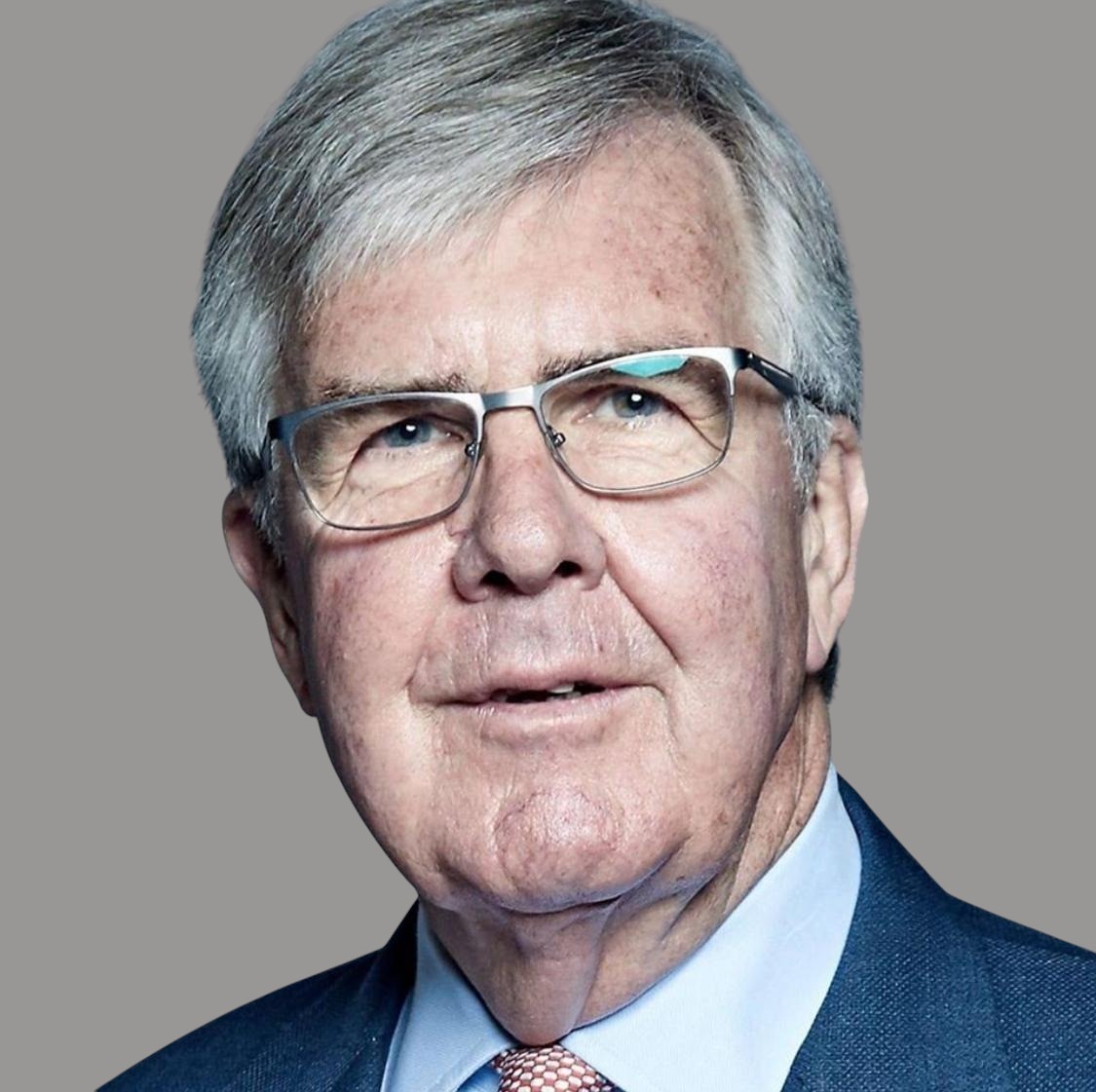
Lord JD Waverley
My team and I will be championing for strategic global support - delivering the financial, technical, and regulatory initiatives SMEs need to scale. Strengthening sustainable economic growth through foreign direct investment and deepening international collaboration across industries will be central to this mission.
Beyond pushing for stronger SME recognition worldwide, advisory teams will be established across 11 global regions, from Africa to Latin America, Central Asia and South Caucasus to South Asia and beyond.